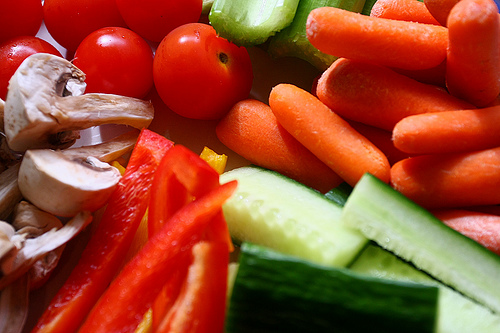
 There is nothing better than fresh vegetables for a healthy life. Finding fresh vegetables for meals can seem almost impossible because you cannot visit the farm on a daily basis.
Especially, if you are living in the city! However, vegetables can be kept fresh by storing them in the fridge. As soon as you bring the groceries home, wash them well, then put them in the vegetable basket of your fridge. They will remain fresh for at least three to four days. This is why there are superstores where fresh vegetables are always available.
The benefits of consuming fresh vegetables for your health include:
- Contain Antioxidants: These nutritional chemicals are natural remedies that reduce the risk of heart disease, stroke and cancer. Antioxidants also help reduce stress and improve immunity against common cold and other illnesses.
- Rich in Essential Vitamins: Green, yellow and orange vegetables are rich in beta-carotene, potassium, magnesium, Calcium, Iron, Vitamin B-complex, Vitamin K, Vitamins A and Vitamin C.
- Source of Rare Vitamins: Fresh vegetables contain a lot of vitamins that get destroyed with excessive heating. Consuming fresh vegetables is a natural way of providing your body with important vitamins. Vegetables contain essential vitamins like B6, Beta Carotene, Folate, Carotinoids, Lutein, Lycopene, and Zeaxanthin. Besides, vitamin supplements are made from vegetables and fruits, it is better to consume them in natural form. Researchers have proved that there are still a number of vitamins that are only available in vegetables. They have not been isolated as yet.
- Non Starchy Vegetables: For those people who are calorie conscious, there are vegetables that are free of starch. Fresh vegetables can be cooked into amazing dishes with other vegetables to make a healthy diet. You can control your diet by maintaining a balance between starchy and non starchy vegetables.
- Contain Natural Oils: The great thing about vegetables is that they contain a significant amount of oils. This means, there is no need to add extra cooking oil to the meal. Excess oil in food can cause cholesterol problems that lead to heart and liver disease.
- Dietary Fibre: Our body needs fibre to keep our digestive system working well. Fibre prevents constipation and contains important biological molecules. It is insoluble and contains non-starch polysaccharides (NSP). For example; mucilage, cellulose, gums and pectin. They help in water absorption in the colon and in retention of moisture in faeces. Fibre intake prevents the occurrence of hemorrhoids, rectal fissures and chronic constipation problems.
- Vegetables are Medicinal: Over centuries, humans have used herbs and vegetables to treat ailments. Most vegetables contain antibacterial properties that help heal wounds and cure health problems. Some contain anti-diarrheal properties as well. Other vegetables contain medicinal properties that benefit pregnancy, and stop nausea.
(Guest post) Over the last couple of years, Allan has been convinced of the huge impact of diet on health. After reading and discussing with health professionals, Allan decided to share his personal tips with others. Allan’s favourite blogging topics include health insurance, fitness, and stress relief.


